
 Facebook
 X
X LinkedIn
 Forward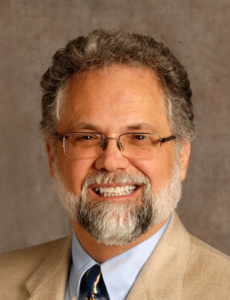
The Value of Person-Centered Cultural Assessment in Clinical Practice
This presentation was originally reviewed on May 12, 2025, and live streamed online on May 14, 2025, from 12:00 pm – 1:00 pm ET.
The views and opinions expressed by this presenter in this lecture are their own, and do not represent the views of Sheppard Pratt.
Without a person-center assessment of the relevant cultural aspects of the person’s identity, illness representations, treatment expectations, and social-structural impacts on vulnerabilities and resources, mental health practice often lacks the information to provide effective treatment. The Cultural Formulation Interview (CFI) is a protocol for asking individuals seeking mental health care about their and their families/friends’ views of their situation, cultural identity, past experiences of help seeking, and expectations for future care. It can be used as a culturally sensitive method to engage care recipients in mental health services and guide a comprehensive evaluation. This presentation discusses the development and content of the DSM-5-TR core CFI and briefly summarizes research on its 4 uses: data gathering, therapeutic effect, training, and systemic care. At the conclusion of the presentation, the participant will be able to understand the value of a cultural assessment in routine mental health care and incorporate a cultural assessment in their practice to improve engagement, diagnosis, and treatment planning.
Target Audience
This activity is intended for physicians, nurses, psychologists, social workers, counselors and other mental health professionals.
Learning Objectives
At the conclusion of this activity, attendees will be able to:
- Define the value of cultural assessment in routine psychiatric care for engagement, diagnosis, and treatment planning
- Describe the development and components of the Cultural Formulation Interview (CFI), the DSM-5-TR cultural assessment
- Explain the 4 main uses of the CFI to date
Course summary
- 1.00 ACEP NBCC clock hours
- 1.00 AMA PRA Category 1 Credit™
- 1.00 Category II credits for Social Workers
- 1.00 Psychologists
- 1.00 MNA Contact Hours for Nurses
- 1.00 Participation
Sheppard Pratt’s Professional Education Program is pleased to provide Wednesdays at Sheppard Pratt free of charge as a public service to the mental health community. Your tax-deductible donations will help maintain the outstanding quality of this service.
Sheppard Pratt is dedicated to improving quality of life through mental health, special education, and addiction services for children, adolescents, adults and older adults. Our patient-centered treatment approach, combined with our legacy of clinical excellence, sets us apart from other health systems on both a local and national level. We have been ranked among the nation’s top psychiatric hospitals for 24 consecutive years by U. S. News & World Report. Founded in 1853 by philanthropist Moses Sheppard, Sheppard Pratt Health System still abides by its Quaker traditions and values.
Sheppard Pratt regularly hosts renowned speakers from across the country at our headquarters in Towson. We provide educational opportunities on subjects including psychiatric disorders, issues of behavioral health, systems-based change, mental and somatic co-morbidities, psychiatric effects on health and health outcomes, advances in neurobiology, and clinical developments in concepts underlying drug treatment of psychiatric disorders. We are accredited by the Accreditation Council of Continuing Medical Education, the Maryland Nurses’ Association, the Maryland Board of Psychology, the Maryland Board of Social Work, and the National Board of Certified Counselors.
Please send your contributions to:
Sheppard Pratt Professional Education Program
Grand Rounds Fund
6501 North Charles Street, Baltimore, Maryland 21204
Professional Education Program: 410.938.4593
Conference Center at Sheppard Pratt: 410.938.3900
There is no commercial support for this activity.
About the speaker
Dr. Roberto Lewis-Fernández is Professor of Clinical Psychiatry and Interim Vice-Chair of Research in the Columbia Department of Psychiatry; Interim Director of Research, Director of the New York State Center of Excellence for Cultural Competence and the Hispanic Treatment Program, and Area Leader for Anxiety, Mood, Eating and Related Disorders at the New York State Psychiatric Institute.
His research develops culturally congruent interventions and instruments to enhance the care of underserved cultural groups. He led the development of the DSM-5 Cultural Formulation Interview, a standardized cultural assessment protocol. He has been PI or co-Investigator of 28 NIH-funded studies and other research, and published over 235 articles, chapters, and books on culture-related topics in mental health.
Dr. Lewis-Fernández is co-chair of the Cultural Committee of the Group for the Advancement of Psychiatry and past president of the American Psychopathological Association, World Association of Cultural Psychiatry, the Society for the Study of Psychiatry and Culture, and the American Society of Hispanic Psychiatry. He is Vice-Chair of the DSM-5-TR Steering Committee and was chair of the DSM Review Committee for Internalizing Disorders, the DSM-5-TR Culture-Related Issues Review Committee, and the DSM-5-TR Work Group on Ethnoracial Equity and Inclusion.
Disclosure Statements
Sheppard Pratt holds the standard that its continuing medical education programs should be free of commercial bias and conflict of interest. In accord with Sheppard Pratt's Disclosure Policy, as well as standards of the Accreditation Council for Continuing Medical Education (ACCME) and the American Medical Association (AMA), all planners, reviewers, speakers and persons in control of content have been asked to disclose any relationship he /she has with any entity producing, marketing, selling, re-selling, or distributing health care goods or services consumed by, or used on, patients, during the past 24 months. All planners, reviewers and speakers have also been asked to disclose any payments accepted for this lecture from any entity besides Sheppard Pratt, and if there will be discussion of any products, services, or off-label uses of product(s) during this presentation.
Roberto Lewis-Fernández, MD, reports being an advisor for the WT Grant Foundation and receiving royalties from American Psychiatric Press and Uptodate. He will not discuss any products, services, or off-label uses in this presentation. All relationships have been mitigated through review.
Event Planners/Reviewers Disclosures: The following event planners and/or reviewers are reported as having no financial interest, arrangement or affiliation with any entity producing, marketing, selling, re-selling, or distributing health care goods or services consumed by, or used on, patients, during the past 24 months: Todd Peters, MD, Michael C. Hann, MD, MBA, Ronald Means, MD, Rajeev Krishna, MD, PhD, MBA, Louis Marino, MD, Devi Bhuyan, PsyD, Faith Dickerson, PhD, Carrie Etheridge, LCSW-C, April Sobiech, LCSW-C, Latia Suite, LCSW-C, Tom Flis, LCPC, Paula Bostwick, MSN, RN, CENP, Alfredo Sagisi, DNP, MS, RN, FACHE, Maggie O'Neill MSN, RN, PMH-BC, Lisa Illum, MLIS, MEd, and Jennifer Tornabene.
Physician Statement: Sheppard Pratt is accredited by The Accreditation Council for Continuing Medical Education (ACCME) to provide continuing medical education for physicians. Sheppard Pratt takes responsibility for the content, quality, and scientific integrity of this CME activity. Sheppard Pratt designates this enduring activity for a maximum of 1.0 AMA PRA Category 1 Credit(s)™. Physicians should claim only the credit commensurate with the extent of their participation in the activity.
Nurse Statement: Sheppard Pratt is approved as a provider of nursing continuing professional development by the Maryland Nurses Association, an accredited approver by the American Nurses Credentialing Center’s Commission on Accreditation. Sheppard Pratt takes responsibility for the content, quality, and scientific integrity of this CME activity. This activity provides 1.0 contact hour for nurses.
Psychologist Statement: Sheppard Pratt is authorized by the State Board of Examiners of Psychologists as a sponsor of continuing education. Sheppard Pratt takes responsibility for the content, quality, and scientific integrity of this CE activity. Sheppard Pratt designates this educational activity for a maximum of 1.0 contact hour for Psychologists.
Social Worker Statement: Sheppard Pratt is authorized by the Board of Social Work Examiners of Maryland to offer continuing education for Social Workers. Sheppard Pratt takes responsibility for the content, quality, and scientific integrity of this CE activity. This activity is approved for 1.0 contact hour in Category II credit for Social Workers.
Counselor Statement: Sheppard Pratt has been approved by NBCC as an Approved Continuing Education Provider, ACEP No. 5098. Programs that do not qualify for NBCC credit are clearly identified. Sheppard Pratt is solely responsible for all aspects of the program. This activity is available for 1.0 NBCC clock hour.
Available Credit
- 1.00 ACEP NBCC clock hours
- 1.00 AMA PRA Category 1 Credit™
- 1.00 Category II credits for Social Workers
- 1.00 Psychologists
- 1.00 MNA Contact Hours for Nurses
- 1.00 Participation
ON DEMAND WEBINAR: FOR BEST RESULTS WATCH USING GOOGLE CHROME
The Value of Person-Centered Cultural Assessment in Clinical Practice
Roberto Lewis-Fernández, MD
Professor of Clinical Psychiatry and Interim Vice-Chair of Research in the Columbia Department of Psychiatry
Interim Director of Research, Director, New York State Center of Excellence for Cultural Competence and the Hispanic Treatment Program
Area Leader for Anxiety, Mood, Eating and Related Disorders, New York State Psychiatric Institute
New York, NY
Originally reviewed on May 12, 2025.
Originally broadcast live May 14, 2025, from 12:00 pm - 1:00 pm ET.
Enduring Activity Credit Expiration Date: June 10, 2027.
Activity Time: One hour recorded webinar lecture with a 15-minute evaluation process. Total Time: 1:15.
TO EARN CONTINUING EDUCATION CREDIT FOR YOUR ATTENDANCE
On the OVERVIEW or REGISTER/TAKE COURSE tab, select the GREEN RECTANGLE, TAKE COURSE to begin.
Complete the Pretest and select NEXT in the bottom right corner of the screen. Use the NEXT button for best results.
The PowerPoint handout will be available for download.
After downloading the handout, select NEXT to begin and watch the video.
You may need to select play for the video to begin.
After the video follow the prompts to complete the posttest, evaluation, and attestation of credit.
Once you have completed all the components of the Course Progress bar, the certificate will be immediately downloadable.
FINANCIAL SUPPORT
There is no commercial support for this activity.
Questions? Look at our FAQ’s at https://cme.sheppardpratt.org/content/faq or Email [email protected]
Required Hardware/software
Optimal System Configuration
Flash Player: Adobe Flash Player 10.1+
Browser: Firefox 3+, Internet Explorer 8.0+, Safari 4.0+, or Google Chrome 7.0+
Operating System: Windows XP+ or Mac OS X 10.4+
Internet Connection: 1 Mbps or higher
Minimum Requirements
Windows PC: 500-MHz Pentium II; Windows XP or higher; 128 MB RAM; Video Card at least 64MB of video memory; Sound Card at least 16-bit; Macromedia Flash Player 10 or higher, audio playback with speakers for programs with video content; Firefox 1.1+, Internet Explorer 7.0+, Safari 1.0+, Google Chrome, or Opera
Macintosh: Mac OS X 10.3 or higher with latest updates installed; 1.83MHz Intel Core Duo or faster; RAM: 128MB or more; Video Card: at least 64MB of video memory; Sound Card: at least 16-bit
Hardware/Software Specifications
This internet-based CME activity is best experienced using Internet Explorer 8+, Mozilla Firefox 3+, Safari 4+. This Web site requires that JavaScript and session cookies be enabled. Certain activities may require additional software to view multimedia, presentation, or printable versions of the content. These activities will be marked as such and will provide links to the required software. That software may be: Adobe Flash, Adobe Acrobat, Microsoft PowerPoint, and Windows Media Player.