This presentation was originally reviewed on January 20, 2023, and broadcast live online on January 22, 2023, from 12:00 PM – 1:00 PM ET.
Depressive and anxiety disorders are the most prevalent treatable mental disorders in older adults. Recovery from these disorders can occur in almost all patients and makes a dramatic difference in their level of functioning and quality of life. The proportion of older Americans being treated with an antidepressant (19%) has more than sextupled over the past two decades. However, most older patients do not appear to benefit from their antidepressant treatment. This lecture will review the evidence supporting the efficacy and the risks of antidepressant and other psychotropic medications in older adults. It will address some of the major issues that impede pharmacotherapy in older adults. Based on the substantial knowledge accumulated during the last three decades, this lecture will present a practical approach to overcome these clinical problems and maximize the effectiveness of pharmacotherapy when treating older patient with depressive and anxiety disorders.
Attention-deficit Hyperactivity Disorder (ADHD) continues to be one of the most misunderstood, underdiagnosed, and underappreciated neurodevelopmental conditions in mental health. Given the high comorbidities present, clinicians cannot avoid working with these individuals and often do so unknowingly. This results in - at best - attenuated outcomes and - at worst - a worsening of the patient’s condition from misattributing the patient’s presenting symptoms and concerns to other factors. Part of the problem stems from misconceptions and biases influencing clinical practice (and even clinical education) for one of the highest genetically inherited psychiatric conditions contained in the DSM. This presentation endeavors to increase participants’ awareness of the clinical issues and challenges in identifying ADHD later in life, as well as to some of their own possible biases/misconceptions, through a series of illustrative clinical vignettes. Ultimately, it is hoped that this presentation will stimulate curiosity, further inquiry, and collegial discussion that will improve diagnostic identification, treatment outcomes, and the quality of life for those with ADHD. 

This presentation was originally reviewed on January 10, 2023, and broadcast live online on January 11, 2023, from 12:00 PM – 1:00 PM ET.
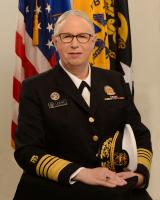
Since 1980, the Healthy People initiative has set measurable objectives to improve the health and well-being of people nationwide. At the beginning of every decade, we launch a new version of the initiative that addresses the latest public health priorities and challenges. Healthy People 2030 includes data-driven national objectives to improve health and well-being over the next decade. LGBTQI+ adolescents are especially at risk for being bullied, thinking about and dying from suicide, and using illegal drugs. School- and family-based interventions can help reduce these behaviors and improve health in LGBTQI+ adolescents. Focusing on youth mental health now is critical. We all have a role to play in supporting the mental health of children and youth. Join Admiral Levine as she discusses objectives from Healthy Kids 2030, the Surgeon Generals Advisory Protecting Youth Mental Health.
Dr. Leibowitz will provide an overview of the most recent edition of the Adolescent chapter in the World Professional Association of Transgender Health (WPATH) Standard of Care.  WPATH is the leading international authority on transgender healthcare and has been in existence since 1979 when it published its first set of guidelines that made no mention of children or adolescents. Prior to this 8th edition, which was published in September 2022, the previous iteration (7th edition) was published over a decade prior. Join Dr. Leibowitz as he discusses the research and ethics regarding care for children and adolescents with gender related needs, and standards of care for this population.
Functional neurological disorder is a commonly encountered diagnosis in neurological clinical settings, and yet there is limited provider expertise in the assessment and management of this population. Part of the challenge is that while physical examination signs (neurological expertise) is used to inform the diagnosis of functional neurological disorder, the biopsychosocial formulations aids the development of a patient-centered treatment plan in a great many clinical instances. This talk will address these challenges using an integrated neuropsychiatric approach to the assessment and management of functional neurological disorder.
This presentation was originally reviewed on December 12, 2022, and broadcast live online on December 14, 2022, from 12:00 PM – 1:00 PM ET.
​​​​​​​Assessing a patient for violence risk is a fundamental part of psychiatric and mental health assessment.  While most violence is unrelated to mental illness and most people with mental illness are not violent, it remains an important point of evaluation in most clinical settings.  Join Jack Rozel, MD, MSL as he explores a how dynamic and modifiable risk factors can be used to manage violence risk, exploring firearm access, and essential considerations for duties to third parties. 
This presentation was originally reviewed on November 7, 2022, and broadcast live online on November 9, 2022, from 12:00 PM – 1:00 PM ET. 

Pages

Subscribe to RSS - Grand Rounds